Two Classic Fencing Systems
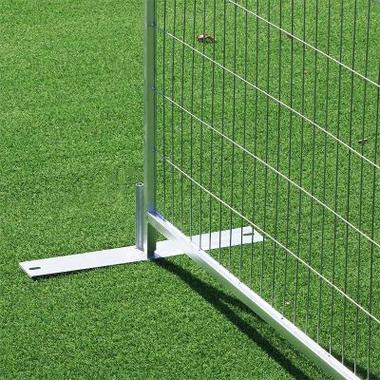
Chain link and welded mesh are the two most common metal fencing systems worldwide, and choosing between them is one of the first decisions in any perimeter project. Chain link is made from wire woven into a continuous diamond pattern, producing a flexible, economical fabric stretched between posts. Welded mesh fencing uses straight wires welded at every intersection into a rigid grid panel that is fixed to posts. The fundamental difference, flexible woven fabric versus rigid welded panel, drives almost every practical distinction in security, appearance, cost and longevity. Understanding that core contrast lets buyers quickly judge which system fits their priorities before drilling into wire gauges, heights and coatings.
Security and Strength
Welded mesh wins clearly on security. Its rigid panels resist climbing, bending and lifting, and tighter-aperture versions such as twin-wire or 358 mesh make cutting and finger-holds very difficult. Chain link, being flexible, can be lifted at the bottom, peeled after a single cut propagates along the diamond weave, and offers easy toe-holds for climbing. For high-security perimeters, welded mesh is the standard, often topped with razor or barbed wire. That said, chain link can be upgraded with bottom rails, tension wires and barbed toppings, and for many low-risk boundaries its security is perfectly adequate. If deterrence and intrusion resistance are priorities, welded mesh is the stronger and harder-to-defeat choice.
Appearance, Cost and Installation
Chain link is the most economical fencing for enclosing large areas quickly, which is why it dominates sports fields, temporary sites, agricultural boundaries and budget-driven projects. Its open diamond weave is functional but utilitarian in appearance. Welded mesh panels look neater and more professional, with clean horizontal and vertical lines, and are available in attractive powder-coated colors, making them popular for commercial, residential and public spaces. On installation, chain link requires stretching and tensioning between terminal posts, while welded panels simply bolt or clamp to posts, which can be faster and more consistent on level ground. Welded mesh generally costs more per meter, but its rigidity and finish often justify the premium for visible or higher-value perimeters.
Coatings, Lifespan and Maintenance
Both systems live or die by their coating. Chain link is commonly galvanized, with PVC-coated versions adding color and corrosion protection; over time, tension and flexing can wear coatings at contact points. Welded mesh panels are typically hot-dip galvanized then powder coated, a duplex system that resists corrosion for decades and keeps a fresh appearance. For coastal or industrial environments, a Galfan zinc-aluminum base or heavier galvanizing extends life further. Maintenance is generally lower for welded mesh because rigid panels do not sag and require less re-tensioning, whereas chain link may need periodic tightening. When comparing lifetime cost, factor in coating quality, environment and maintenance, not just the initial price per meter, since a durable welded system can outlast cheaper chain link.
Posts, Gates and Accessories
A fence is only as good as its supporting components. Chain link systems rely on terminal, corner and line posts, top and bottom rails, tension wires and stretcher bars to hold the fabric taut; skimping here causes the sagging and lifting that plague poorly installed chain link. Welded mesh systems use matching posts with integrated clamp bars or clips that bolt panels securely and resist tampering. Both systems should be planned with matching gates, whether single-leaf pedestrian, double-leaf vehicle or sliding cantilever gates, in the same coating and color as the fence for a coherent finish. Accessories such as barbed or razor toppings, privacy slats, and anti-tamper fixings extend functionality. Specifying posts, gates and fittings as a complete package from one manufacturer avoids mismatched parts and ensures the whole perimeter installs cleanly and performs as a system.
Choosing and Sourcing Your Fence
Choose chain link for economical enclosure of large or temporary areas where appearance and high security are secondary; choose welded mesh for secure, professional-looking perimeters around commercial, residential, industrial or sensitive sites. Specify height, wire diameter, mesh or aperture size, coating and color, post type and the destination country for accurate export pricing. As a Hebei-based manufacturer and exporter, Zhongman supplies chain link, welded mesh, twin-wire and 358 anti-climb fencing, plus posts, gates and razor wire, all customizable in galvanized, Galfan and PVC or powder-coated finishes to ASTM and EN, with seaworthy export packing. Tell us your perimeter length, security level and budget, and our team will recommend the best system and prepare a tailored quotation.