Why Export Packaging Deserves Attention
For a heavy, coated product like wire mesh, packaging is not an afterthought, it is part of the specification. Poor packing leads to coating damage, tangled rolls, corrosion in transit and wasted container space, all of which inflate the true cost of a shipment. Good packing does the opposite: it protects the zinc, Galfan or PVC surface, keeps products identifiable on arrival, and maximises the weight and volume loaded into each container. As a manufacturer and exporter shipping worldwide from China, Zhongman treats packaging as an engineering task tuned to each product, gabion baskets, welded panels, woven rolls, perforated sheets or fencing. This article explains how mesh products are typically packed and loaded so buyers know what to specify and what to inspect. Agreeing packing details in the purchase order, alongside specifications and coating class, prevents disputes and ensures the goods that left the factory in good order are the goods you can install.
Packing Gabions and Welded Panels
Gabion baskets ship flat-folded and bundled to save space, then strapped onto pallets with the lacing wire, stiffeners and spiral binders packed alongside, or quoted as separate bundles. Welded gabions and welded mesh panels are stacked flat, edge-protected and steel-strapped into compact units, with timber or cardboard separators preventing the cut wire ends from scoring the coating of adjacent panels. Pallet dimensions are chosen to nest efficiently inside a container while keeping bundle weight within safe handling limits for the destination's forklift capacity. Clear waterproof labelling, product code, dimensions, coating, quantity and order number, lets site teams locate items without unpacking everything. Zhongman flat-packs gabions and palletises welded panels to balance protection against volumetric efficiency, and confirms on the packing list exactly which accessories are included, so buyers can plan assembly labour and verify completeness against the documentation when the container is opened.
Packing Rolls, Sheets and Fencing
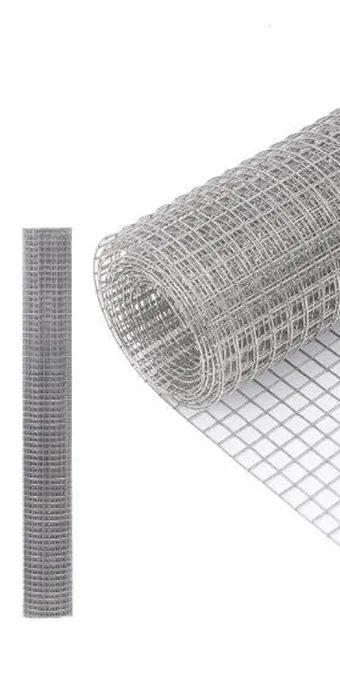
Woven mesh, chain link and razor wire are supplied in rolls, wrapped in waterproof film or hessian and banded to prevent telescoping and unwinding. Heavier rolls sit on pallets or in cradles; lighter coils may be nested. Perforated and expanded metal sheets are stacked flat between protective layers and crated or strapped to guard the edges and surface finish. PVC-coated products warrant extra care, since abrasion in transit can expose the metallic core and start corrosion, so interleaving and snug banding matter. Fencing systems, posts, panels and fittings, are grouped so that matched components arrive together rather than scattered across the container. Zhongman packs rolls and sheets to resist moisture and mechanical damage during long ocean voyages, and tailors the method to the coating: a galvanized roll and a PVC-coated roll are not protected the same way. Specifying your handling equipment at destination helps us size bundles you can actually move.
Loading the Container for Stability and Volume
A well-planned load keeps the container's centre of gravity low and even, with heavy pallets at the base and weight distributed front to back to stay within axle limits for road haulage. Mesh products are blocked and braced, dunnage, airbags or strapping, so nothing shifts during sea transit, since movement is the main cause of coating abrasion and bent panels. The aim is to fill both the weight and the volume of the container; mesh can cube out or weight out depending on coating and wire gauge, so loading plans differ by product mix. A standard 40HQ is the workhorse for most mesh orders. Zhongman plans each load to protect the goods and use the paid space efficiently, because empty corners and overweight axles both cost the buyer money. For larger orders we can provide a loading plan and container photos before sailing, giving buyers documented assurance of how their goods are secured.
Documentation, Incoterms and Reducing Landed Cost
Packaging connects directly to paperwork and cost. A detailed packing list, bundle count, dimensions, gross and net weight, and contents, supports customs clearance and on-site reconciliation, while the choice of Incoterms (FOB, CIF or DAP) decides who arranges and pays for freight. Buyers focused only on ex-works price often overlook how packing efficiency affects freight per unit and how protective packing avoids replacement costs from transit-damaged coatings. Requesting photos of palletised goods and the loaded container before shipment is a cheap insurance against surprises. To keep landed cost low, consolidate compatible products into full containers and align packing with your destination's handling capability. If you are scoping an export order, send Zhongman your quantities, product mix and delivery terms, and we will return a quotation with the packing method, container plan and full shipping documentation, so the goods arrive intact, identifiable and ready to install.