What Drives Gabion Wall Cost
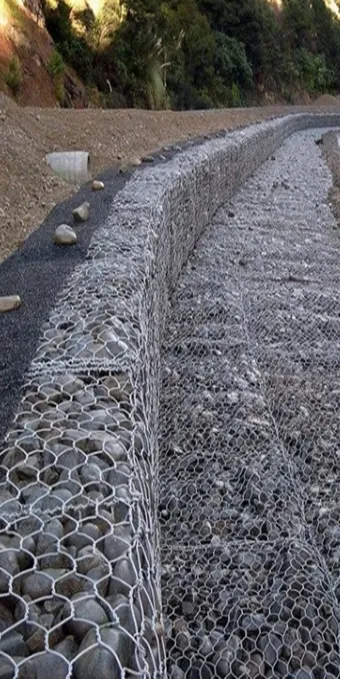
Gabion wall cost is usually expressed per square meter of wall face or per cubic meter of structure, and it breaks down into four main components: the wire baskets, the stone fill, labor and site preparation. The relative weight of each varies enormously by location. Where local stone is cheap, fill is a minor cost; where it must be hauled, it can dominate. Coating choice, galvanized, Galfan or PVC, changes basket price. Wall height matters too, because taller walls need heavier wire, more bracing and stronger foundations. Understanding these drivers lets you estimate realistically and identify where savings are genuinely available rather than chasing the lowest sticker price on baskets alone.
Basket and Coating Costs
Baskets are priced by the wire used, which depends on mesh aperture, wire diameter and coating. A standard 2 x 1 x 1 m gabion contains a known weight of wire, so heavier wire and higher-grade coatings raise the unit price. Galvanized mesh is the most economical; Galfan (Zn-Al) costs more but extends life; PVC-coated mesh is the most expensive due to the added polymer and larger finished diameter. Buying baskets flat-packed for self-assembly reduces shipping volume and cost. Because the coating governs lifespan, spending more here often lowers lifetime cost. Order quantity also matters: larger volumes sourced directly from a manufacturer typically achieve better per-unit pricing than small distributor purchases. Confirm the wire diameter as well, since a thicker wire raises basket weight and price but may be required for taller walls or hydraulic exposure.
Stone Fill Costs
Fill stone is often the largest single line item. You need angular, durable rock sized larger than the mesh aperture, typically 100 to 200 mm, and you must account for void space of roughly 30 to 40 percent when calculating tonnage. Stone density matters for both quantity and wall mass; common values are around 1.5 to 1.8 tonnes per cubic meter of placed gabion fill. The decisive variable is haul distance. Sourcing stone locally, sometimes even from site excavation, can cut this cost dramatically, which is a key reason gabions are economical on remote projects. Hand-packed decorative faces use more labor and selected stone, adding cost where appearance matters.
Labor and Site Preparation
Gabion labor is lower-skill than concrete formwork but physically demanding. Costs cover basket assembly and lacing, positioning, stone placement, bracing and lid closing. Machine filling of interior stone is faster and cheaper than hand-packing faces, so the level of finish you want directly affects labor. Site preparation, excavation, a compacted granular base and any geotextile or drainage layer, adds cost but is essential; skimping here causes settlement and failure. On soft soils, wider footings increase preparation cost. Productivity also depends on access and equipment. Realistic labor estimates should include lacing time, which contractors often underestimate, especially for hand-packed architectural walls with tight stone arrangement. Weather, site congestion and the availability of a loader for interior fill can swing labor costs significantly from one project to the next.
Estimating and Controlling Total Cost
To budget a gabion wall, calculate wall face area or volume, then sum basket cost, stone tonnage including voids, labor hours and site works. Add a contingency for access and weather. The biggest savings usually come from local stone and from buying baskets directly from a manufacturer rather than a reseller. Resist the temptation to under-specify coating to save money upfront, as a wall that needs early replacement is far costlier. Compare total installed cost against alternatives like concrete, remembering that gabions avoid formwork, curing and complex drainage works. A clear takeoff and a direct supplier relationship are the two most effective ways to control price.
Get an Accurate Quote from Zhongman
Accurate basket pricing starts with a direct manufacturer quote. Zhongman produces and exports gabion baskets, welded and woven mesh, Reno mattresses and slope-protection systems from Hebei, China, in galvanized, Galfan (Zn-Al) and PVC coatings, with customizable dimensions, wire diameter and mesh aperture to ASTM and EN standards. By supplying flat-packed baskets in efficient container loads, we help you minimize freight and per-unit cost. Send us your wall dimensions, height and target standard and we will provide a detailed quotation and help you optimize specification for budget. Contact Zhongman today to request pricing and a spec sheet for your gabion project.