Why the Datasheet Matters
A wire mesh datasheet is the contract between what you ordered and what arrives, yet many buyers skim it and discover mismatches only on delivery. Whether you are sourcing woven, welded, perforated or expanded mesh, the datasheet condenses every performance-relevant property into a few lines: aperture, wire diameter, mesh count, open area, material grade, coating and tolerances. Reading it fluently lets you compare quotations on equal terms and spot where a cheaper offer has quietly traded down a parameter. As a manufacturer and exporter, Zhongman issues clear datasheets with each product line so customers can verify suitability before committing. This guide walks through the key fields in plain language, so that the next time you receive a spec from any supplier you can interrogate it confidently rather than trusting marketing labels. The goal is simple: know exactly what you are buying, and ensure the production matches the paperwork.
Aperture, Wire Diameter and Mesh Count
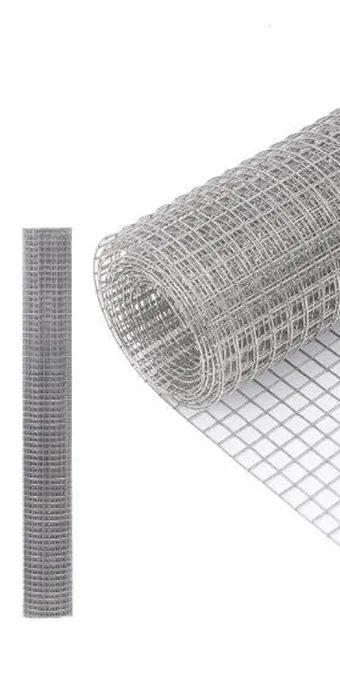
Three figures define the geometry of woven and welded mesh. Aperture is the clear opening between wires, the hole size, measured in millimetres or inches. Wire diameter is the thickness of the wire itself; together with aperture it determines strength and open area. Mesh count, expressed as mesh (for example 10 mesh), is the number of openings per linear inch and is more common for fine woven screens than for structural mesh. Watch the relationship between these: a stated aperture plus wire diameter gives the pitch (centre-to-centre spacing), and reputable datasheets are internally consistent. For welded mesh, you will often see notation like 50x50mm x 3.0mm, meaning a 50mm square opening formed from 3.0mm wire. Zhongman datasheets list aperture, wire gauge and, where relevant, mesh count explicitly, so buyers can convert between conventions and confirm the mesh delivers the filtration, security or load performance their application requires.
Open Area, Weight and Material Grade
Open area, the percentage of the surface that is hole rather than wire, governs flow, screening and visibility, and is derived from aperture and wire diameter. A larger open area means better throughput but lower strength, so it is always a trade-off. Weight per square metre helps you estimate freight and verify that the delivered mesh uses the specified wire, since underweight mesh signals thinner wire than promised. Material grade tells you the base metal: low-carbon steel for general use, or stainless grades like 304 and 316 where corrosion resistance is paramount. For perforated and expanded metal, the datasheet adds hole pattern (round, square, slotted) and, for expanded, the strand and bond dimensions. Zhongman supplies welded, woven, perforated and expanded mesh across these grades, and its datasheets state weight and material so that buyers can both budget logistics accurately and confirm the metallurgy suits their chemical or structural environment.
Coating Specification
Coating is often the most misread line on a datasheet because it hides several variables. Look for the coating type, galvanized (zinc), Galfan (zinc-aluminium) or PVC over a metallic base, and the coating mass in grams per square metre, ideally referenced to a standard such as EN 10244-2 or ASTM A641. For PVC-coated mesh, the sheet should give both the metallic core coating and the PVC film thickness, plus the colour. Hot-dipped galvanizing after weaving differs from pre-galvanized wire that is woven afterwards, and the datasheet should state which, since post-galvanizing better protects the weld or knuckle joints. If any of these are absent, treat galvanized as an incomplete specification and ask for the numbers. Zhongman states coating type, mass and, for PVC, film thickness on its datasheets, and backs the figures with batch coating reports so the protection you read about is the protection you receive.
Tolerances and How to Use the Sheet When Buying
No mesh is perfect, so datasheets quote tolerances: permitted variation on aperture, wire diameter, roll width and length. These define what counts as acceptable, and they matter when mesh feeds an automated process or must mate with a frame. A reputable sheet states tolerances explicitly rather than implying exactness. To use a datasheet effectively when buying, line up competing offers field by field, aperture, wire, coating mass, material, tolerance, and confirm each matches your application before comparing price. Then require that the production datasheet or test report references your order, not a generic catalogue entry. If a field is missing, ask; silence usually means a weaker specification. Send Zhongman your application requirements or a competitor's datasheet, and we will return a matched specification and quotation with every field completed, so you can buy on evidence and receive exactly what the paperwork describes.