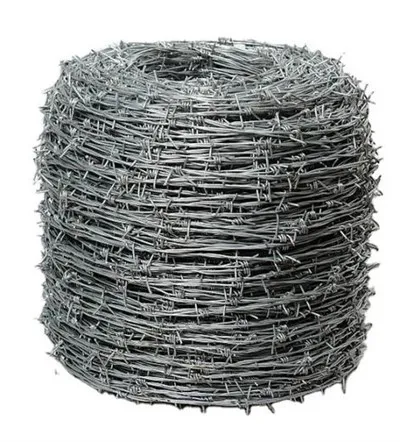
Razor Wire as a Perimeter Deterrent
Razor wire is one of the oldest and most effective physical deterrents, designed to make crossing a perimeter painful, slow and risky. Unlike traditional barbed wire, which uses simple twisted barbs, razor wire features sharp blades punched from a steel tape that is clinched around a high-tensile core wire. The blades are deliberately profiled to catch and tear clothing and skin, deterring climbers and intruders. Razor wire is rarely a standalone barrier; it tops walls and fences, fills the gap between double fences, or is rolled out as a rapid temporary obstacle. Choosing the right blade type, coil configuration and coating tailors the deterrent to the threat level and environment, which is why understanding the main types matters.
Concertina and Coil Configurations
Concertina razor wire is supplied as a coil that springs open into a cylindrical or spiral barrier, taking its name from the way it expands like the musical instrument. Single-coil spiral razor wire is the most economical topping for fences and walls. Cross-type or concertina coils clip two coils together to form a denser, harder-to-penetrate barrier, often used along the ground or between fence lines. Flat-wrap or mobile razor wire can be deployed rapidly for temporary security and military use. The configuration determines coverage and difficulty of breach: a single coil deters casual climbers, while concertina and stacked or double-coil arrangements create a formidable obstacle for high-security sites such as prisons, borders and critical infrastructure.
BTO and CBT Blade Profiles
Blade type is described by codes such as BTO and CBT. BTO stands for barbed tape obstacle, where a single steel tape is clinched around a single core wire; common profiles include BTO-22, BTO-30 and BTO-65, with the number indicating barb length and spacing. BTO-22 has shorter, closely spaced barbs, while BTO-65 has longer, more aggressive blades. CBT stands for concertina barbed tape, a heavier-duty type where the razor tape is clinched together with the core wire to form a stronger, more rigid blade that resists pulling apart; CBT-60 and CBT-65 are typical. In general, BTO is the standard economical blade, while CBT offers greater strength and a more intimidating profile for higher-security perimeters where durability and deterrence are paramount.
Materials, Coatings and Service Life
Razor wire performance over time depends on the core wire and coating. The core is usually high-tensile galvanized steel for strength and spring, and the blade tape is typically hot-dip galvanized or, for the longest life and coastal use, stainless steel. Galvanized razor wire suits most general applications, while stainless steel razor wire is specified for marine, chemical and premium installations where corrosion resistance is critical. PVC-coated razor wire adds color and an extra corrosion barrier, useful where appearance or harsh conditions matter. Heavier zinc coating mass and stainless construction directly extend service life, so matching the coating to the environment prevents premature rusting that would blunt and weaken the barrier. Always confirm core diameter, tape thickness and coating in the specification.
Safe Installation and Legal Notes
Razor wire is effective precisely because it is dangerous, so installation must be handled with care and responsibility. Installers should wear heavy gauntlets and eye protection, and unroll concertina coils slowly and under control, since the spring tension can whip a coil open unexpectedly. Razor wire is typically mounted above reach on top of a wall or fence, on angled extension arms or between double fence lines, never where the public could brush against it at ground level. Many jurisdictions regulate where razor wire may be used and require warning signage, particularly on boundaries adjacent to footpaths or residential areas, so check local rules before installing. Fixing the wire securely with purpose-made clips and tensioning it correctly keeps the barrier taut, effective and far harder for an intruder to flatten or push aside.
Specifying and Sourcing Razor Wire
To order razor wire, specify the blade type and profile such as BTO-22 or CBT-65, the coil configuration (single spiral, cross or concertina), coil diameter, number of loops, core and tape material, coating, and the destination country for export pricing. Razor wire is most effective as part of a complete system, so consider pairing it with welded mesh, 358 anti-climb panels or fencing for layered defense. As a Hebei-based manufacturer and exporter, Zhongman produces concertina, BTO and CBT razor wire, traditional barbed wire and a full range of security fencing, all customizable in galvanized, stainless and PVC-coated finishes with seaworthy export packing. Tell us your perimeter length, threat level and environment, and our team will recommend the right razor wire type and prepare a tailored quotation.