Why Grade Choice Matters
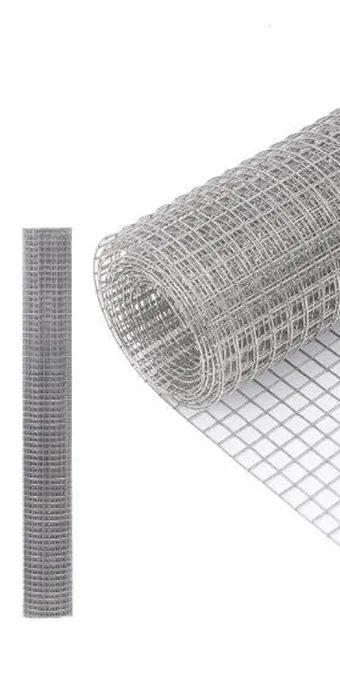
Stainless steel wire mesh is specified wherever buyers need durability without sacrificing strength, and the two grades that dominate global demand are 304 and 316. Choosing between them is not a matter of preference but of service environment. Pick the wrong grade and you may face premature pitting, staining, or structural failure; over-specify and you pay more than the application warrants. The decision hinges on the corrosive load the mesh will face, the mechanical demands of the screen or panel, and the budget governing the order. At Zhongman, our Hebei mills produce both grades in woven and welded forms, so we frequently help importers weigh these trade-offs before they commit to a container. Understanding the metallurgy behind each grade lets you specify confidently, write accurate tender documents, and avoid the costly mistake of treating all stainless mesh as interchangeable across food, marine, chemical, and architectural uses.
The Metallurgy Behind 304 and 316
Type 304 is an austenitic stainless steel containing roughly 18% chromium and 8% nickel, which forms a passive chromium-oxide film that resists oxidation and most atmospheric corrosion. Type 316 adds approximately 2-3% molybdenum to a similar chromium-nickel base, and that molybdenum dramatically improves resistance to chlorides and pitting. In practical terms, 304 handles fresh water, food contact, and general indoor or sheltered outdoor service well. Type 316 is the marine and chemical-process grade, holding up against salt spray, de-icing salts, swimming-pool atmospheres, and many acids. Both grades draw cleanly into fine wire and weave into precise apertures, but 316 commands a premium because molybdenum and higher nickel content raise raw-material cost. We supply both to common diameters from 0.025 mm filtration wire up to heavy structural strands, with mesh counts and aperture tolerances documented per order so engineers can match the alloy to the duty.
Corrosion Resistance in Real Environments
The clearest divide between the grades appears in chloride-rich conditions. In coastal air, brackish water, or chlorinated process streams, 304 can develop surface tea-staining and eventually pitting that compromises fine filtration mesh. Type 316 resists these attacks far longer thanks to molybdenum, making it the default for offshore platforms, desalination intakes, marine railings, and food plants using salt or acidic washdowns. For inland, dry, or freshwater duty, 304 typically delivers a decades-long life at lower cost. Temperature and concentration also matter: a mild chloride exposure may be tolerable for 304 at ambient conditions but becomes aggressive when heated. We advise buyers to map their actual exposure—humidity, salinity, pH, and cleaning chemistry—rather than defaulting to one grade. When clients are uncertain, our technical team reviews the application and recommends the grade and wire diameter that balance lifespan against landed cost for their specific market.
Matching Grade to Application
Application drives the specification. Food and beverage processing, pharmaceutical sieving, and architectural screens in dry climates are well served by 304 woven mesh, where hygiene and appearance matter but chloride exposure is minimal. Marine fencing, chemical filtration, paper-mill screens, and coastal balustrades call for 316. Mining and aggregate screens are usually carbon or high-tensile steel, but stainless variants appear where corrosive slurries are present. For perforated and welded panels used in facades, 316 is chosen for seaside buildings while 304 suits sheltered interiors. Beyond the alloy, buyers should confirm weave type—plain, twill, or Dutch—aperture, and edge finishing. Because we manufacture across woven, welded, and perforated lines under one roof, customers can consolidate mixed-grade orders into a single shipment, reducing freight cost and simplifying logistics for distributors who stock several product families.
Cost, Standards, and Sourcing
Type 316 typically runs 20-40% higher than 304 on a per-kilogram basis, so volume buyers should specify it only where the environment demands it. Both grades are produced to recognized standards, and reputable mills can certify chemistry against ASTM A580 for wire and supply mill test reports on request. Aperture and tolerance can be referenced to ASTM E2016 for industrial woven cloth, while welded panels follow project drawings. When importing, ask for material certificates, salt-spray data where relevant, and clear marking on each roll or panel to prevent grade mix-ups in your warehouse.
Partner With Zhongman
As a Hebei-based manufacturer and exporter, Zhongman produces 304 and 316 stainless wire mesh in woven, welded, and perforated formats, with customizable aperture, wire diameter, panel size, and edge treatment to suit your market. We supply export-grade packing, mill test certificates, and ASTM/EN-referenced specifications, and we can blend grades and product lines into one consolidated container. If you are weighing 304 against 316 for an upcoming project, send us your environment, dimensions, and volumes, and our team will recommend the right grade and quote a competitive landed price. Contact us for samples and a tailored proposal.