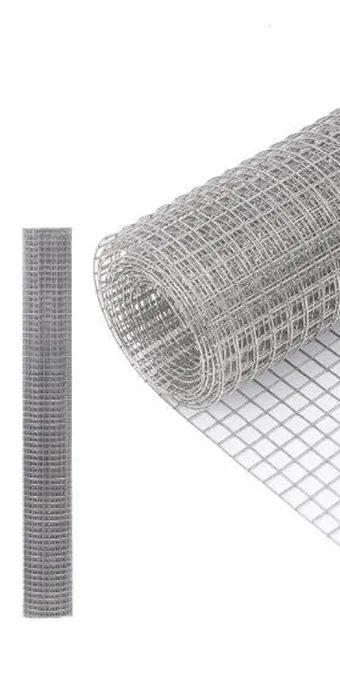
What EN 10244-2 Covers
EN 10244-2 is the European standard that defines the metallic coatings applied to steel wire, principally zinc and zinc-aluminium (Zn-Al, commonly marketed as Galfan). For anyone buying gabions, welded panels, woven mesh or fencing, it is the reference that turns a vague promise of galvanizing into a measurable, contractual figure. The standard expresses coating quantity as mass per unit area, in grams per square metre (g/m2), and groups wire into classes based on diameter. Crucially, the heavier the coating mass, the longer the service life before red rust appears. Understanding this standard lets buyers compare suppliers objectively and protects against the common pitfall of accepting light, low-cost galvanizing where a structure demands durability. As a manufacturer and exporter, Zhongman quotes coating to defined EN 10244-2 classes so customers know precisely what corrosion protection they are paying for, rather than relying on the word galvanized alone.
Zinc Coating Classes (Part 2, Table)
Under EN 10244-2, zinc coatings are graded into Class A and Class B, with required minimum mass varying by wire diameter. For example, a 2.7mm wire under Class A calls for a substantially higher zinc mass than the same wire under Class B, and finer wires carry proportionally lower minimums. Class A is the heavier, premium coating chosen for permanent and hydraulic structures; Class B suits lighter or shorter-life applications. The principle is consistent: as wire diameter increases, the achievable and required coating mass rises, because thicker wire can carry more zinc. When specifying gabions or mesh, state both the wire diameter and the target class so the figures are unambiguous. Zhongman supplies heavy galvanized wire to Class A where projects demand maximum life, and can certify the achieved mass on the actual production batch via coating mass test reports, giving buyers documented proof rather than a catalogue claim.
Galfan (Zn-Al) and Why It Lasts Longer
Zinc-aluminium alloy coating, around 95% zinc and 5% aluminium, is the higher-performance option covered by EN 10244-2. For an equivalent coating mass, Galfan typically delivers two to three times the corrosion resistance of pure zinc, thanks to the aluminium forming a more stable, self-healing protective layer. This makes it the preferred choice for river training works, coastal defences and long-design-life retaining structures where replacement is impractical. Galfan also bonds well with subsequent PVC coating, making it the gold-standard metallic base for polymer-jacketed mesh in aggressive environments. When the EN standard is cited, the same class logic applies, mass per square metre tied to wire diameter, but you should explicitly request Zn-Al rather than zinc, since they are different products. Zhongman manufactures Galfan-coated woven and welded gabions and mesh for clients who need durability beyond what conventional galvanizing provides, with the alloy ratio and coating class stated on the order.
How Coating Mass Is Measured and Verified
Coating mass is determined by stripping the zinc or Zn-Al from a measured length of wire and weighing the difference, yielding grams per square metre of surface area. Laboratories follow standardised dissolution methods, and the result is reported against the EN 10244-2 minimum for that wire diameter and class. For buyers, the practical takeaway is to request a coating mass test report on the production lot, ideally with sample identification linking it to your order. Adhesion is a second quality dimension: the coating must withstand wrapping the wire around a mandrel without flaking, which EN 10244-2 also addresses. Reputable exporters keep these test records and will share them, and can support third-party verification by SGS or BV. Zhongman provides batch-specific coating reports as part of its standard quality documentation, so customers can confirm the delivered product meets the class specified, not merely a typical or nominal figure quoted at the proposal stage.
Choosing the Right Class for Your Project
Match coating to environment and design life. For temporary works or dry, benign soils, a lighter zinc class can be cost-effective. For permanent retaining walls, highways and general civil works, Class A zinc is a sensible default. For hydraulic structures, brackish or marine exposure, and any application where longevity is critical, specify Galfan, and add a PVC jacket where the setting is especially corrosive or where colour matching to landscaping matters. Always state three things on your inquiry: coating type (zinc or Zn-Al), the EN 10244-2 class, and the wire diameter, so the manufacturer can confirm the exact mass. If you are unsure which class fits your conditions, send us the project details, water chemistry, soil aggressivity and required service life, and Zhongman will recommend a coating specification and quote it with full test documentation for your review.