Matching Mesh to the Animal
Animal enclosures cover an enormous range—from delicate aviaries and rabbit hutches to robust cattle pens and predator-proof poultry runs—and no single mesh suits them all. The right wire mesh keeps the intended animals safely contained while keeping predators out, resists weather and animal wear, and stays affordable at the scale fencing requires. Get the aperture or wire gauge wrong and small animals escape, predators break in, or the fence corrodes within a season. The specification depends on the animal's size, strength, and behavior, plus the climate. At Zhongman we manufacture welded, woven, and hexagonal mesh suited to every animal-enclosure niche, exporting to farmers, distributors, and pet-product brands worldwide. This guide walks through the key choices—mesh type, aperture, wire gauge, and coating—so buyers can specify enclosures that protect animals, satisfy customers, and stand up to years of outdoor service.
Mesh Types for Different Animals
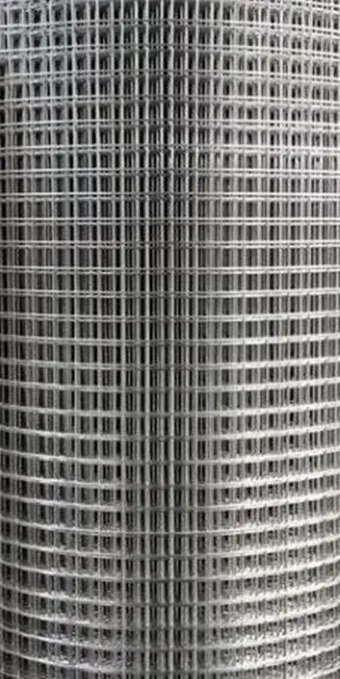
Welded wire mesh is the rigid, secure choice for most permanent enclosures—poultry coops, rabbit hutches, aviaries, and dog runs—because its welded grid resists chewing, clawing, and predator pressure better than flexible netting. Woven and welded panels with small apertures keep out rats, snakes, and weasels that slip through wide openings. Hexagonal netting (chicken wire) is the economical option for light containment and large poultry runs where predator pressure is low, conforming easily to posts and curved frames. For livestock such as cattle, sheep, and goats, heavy welded stock panels or knotted field fence handle the animals' weight and pushing. Choosing the type is the first decision: rigidity and security favor welded mesh, while economy and flexibility favor hexagonal netting. We produce all three families, so customers can specify the exact construction each enclosure demands.
Aperture and Wire Gauge
Aperture and wire gauge are the safety-critical specifications. Aperture must be small enough that the animal cannot push its head through and become trapped, and small enough to exclude the relevant predators—often 13 mm or smaller for aviaries and predator-proof poultry, larger for cattle panels. Wire gauge (diameter) sets the strength: light gauges suit small birds and pets, while heavy gauges resist large animals and persistent predators. The two interact, since a small aperture with thin wire may still be chewed through by determined rodents. For predator-prone sites, buyers should err toward heavier gauge and smaller aperture. We manufacture to a wide range of apertures and gauges, helping customers select combinations that match the animal and threat level—fine, strong mesh for vulnerable poultry, and heavy welded panels for livestock that lean and push against the fence line.
Coatings for Weather and Safety
Because animal enclosures live outdoors, coating determines how long the fence lasts and how safe it is. Hot-dip galvanized mesh is the standard, giving zinc protection that withstands rain and humidity for years at modest cost. In coastal or high-humidity climates, Galfan zinc-aluminum coating extends life significantly. PVC-coated mesh adds a smooth, often green or black plastic skin that resists corrosion further, looks attractive, and is gentler on animals and handlers—popular for premium pet and garden enclosures. The coating also matters for animal safety, as a smooth PVC or well-galvanized surface reduces injury from sharp wire ends. We offer galvanized, Galfan, and PVC-coated finishes across our enclosure mesh, advising buyers on which coating balances lifespan, animal safety, and price for their climate and market segment.
Standards and Practical Sourcing
Enclosure mesh quality can be referenced to coating standards like ASTM A641 and EN 10244 for zinc, EN 10245 for PVC, and ASTM A185 for welded fabric. When sourcing, specify mesh type, aperture, wire gauge, coating and weight, roll or panel size, and any color requirement. For predator-proof claims, request weld strength data so the grid holds under pressure. Confirming these details up front ensures the delivered mesh keeps animals secure and meets your customers' expectations.
Source Enclosure Mesh From Zhongman
Zhongman is a Hebei manufacturer and exporter of animal-enclosure mesh in welded, woven, and hexagonal constructions, finished in galvanized, Galfan zinc-aluminum, or PVC coating, with custom aperture, wire gauge, roll size, and color. We build to ASTM and EN standards, provide coating and weld documentation, and pack for export to farm-supply distributors and pet-product brands worldwide. Tell us the animals, predators, and climate involved and we will recommend the right mesh and coating, supply samples, and quote a competitive landed price. Contact us to specify enclosures that keep animals safe and last for years.