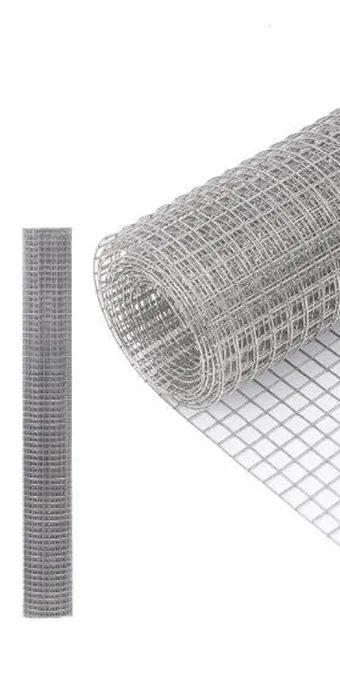
brass mesh
Wire Mesh
High-tensile vibrating screen mesh for harsh sizing duty on shaker decks. Woven from 65Mn spring steel, manganese and stainless wire with hooked edges and reinforced selvages for coal, ore, sand and aggregate classification.
Description
High-tensile vibrating screen mesh for harsh sizing duty on shaker decks. Woven from 65Mn spring steel, manganese and stainless wire with hooked edges and reinforced selvages for coal, ore, sand and aggregate classification.
Vibrating screen mesh is purpose-built screening media tensioned across the decks of shaker and vibrating screen machines to classify bulk materials by size. Operating under relentless vibration and abrasive impact, it must combine accurate apertures with exceptional fatigue and wear resistance. We weave it primarily from 65Mn high-carbon spring steel and manganese alloys, whose hardness and elasticity withstand the constant flexing and pounding of rock, ore and gravel. Edges are formed into hooks so panels can be hooked over deck rails and tensioned tight, keeping openings stable and the surface live for efficient stratification. From coarse scalping screens to fine grading decks, vibrating screen mesh is the heart of every aggregate, mining and recycling sizing line.
These screens are woven on heavy looms using pre-crimped or lock-crimp construction so intersections stay locked under vibration and the aperture does not drift. High-carbon 65Mn spring steel provides the springy fatigue life that vibrating service demands, while manganese steel adds abrasion resistance for the harshest ore and slag duty; stainless is used where corrosion or hygiene matters. Wire diameters run from 1 mm up to 16 mm, with apertures from 0.5 mm fine grading to 100 mm scalping. Edges are bent into 90-, 120- or custom-degree hooks, and selvages can be reinforced with flat bar or extra wires. Panels are precisely sized to deck dimensions for a tight, rattle-free fit.
The standout quality of vibrating screen mesh is endurance under cyclic stress: the spring-steel temper resists wire fatigue and breakage, so panels last far longer between changeouts. Locked crimps and accurate weaving hold the aperture constant, keeping cut points sharp and product grading consistent throughout panel life. Hooked, tensioned edges keep the screen surface taut and lively, maximizing throughput and self-cleaning action that prevents blinding and pegging. Manganese and high-carbon grades shrug off the abrasion of sand, stone and ore, lowering wear cost per ton screened. The mesh is engineered to match each machine's deck geometry and stroke, and reinforced selvages prevent edge tearing where stress concentrates, delivering reliable uptime in punishing plants.
Vibrating screen mesh drives sizing across the extractive and recycling industries. In quarries and sand-and-gravel plants it classifies aggregate into precise size fractions for concrete and asphalt. Coal preparation plants use it to scalp, grade and dewater coal, while metal-ore mines screen crushed rock ahead of milling. Recycling operations size crushed glass, slag, compost and construction debris. The mesh fits linear-motion, circular-motion and high-frequency vibrating screens, banana screens and trommels. Coarse heavy-wire panels handle primary scalping of run-of-mine rock; fine spring-steel and stainless panels grade sand, fertilizer and minerals. Tailored hook profiles, slot shapes and panel sizes are produced for every major screen brand and deck layout in the field, keeping aging machines productive.
We build each vibrating screen panel to the machine's exact deck width, hook angle and tension requirement, working from drawings or sample panels. Wire grade, crimp style, aperture and selvage reinforcement are selected to match the material's abrasiveness and the required cut accuracy. Spring-steel temper and manganese hardness are controlled and verified, and apertures are sampled across each panel for tolerance. We supply hooked-edge tensioned panels, self-cleaning piano-wire screens, polyurethane-edged panels and pre-framed modular decks. Hot-dip galvanizing or stainless construction is offered for wet and corrosive duty. With mill certificates, wear-life guidance and rapid panel reorder service, we keep screening lines running with media matched precisely to throughput and grading targets.
Products
brass mesh
crimped mesh
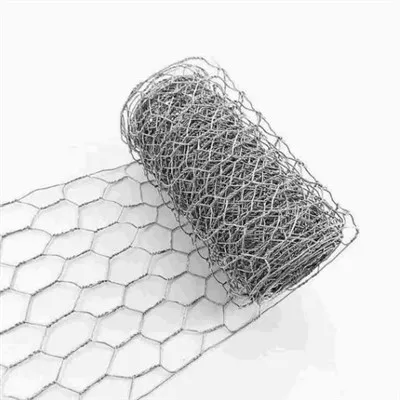
double twisted hexagonal wire mesh
dutch weave